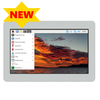
CPi-C070WR4C (7" Industrial Raspberry Pi Touch Panel PC) With CM4
- SKU:
- A01041-AC00R20
- Shipping:
- Calculated at Checkout



Description
The Raspberry Pi is an excellent single-board computer on its own. However, it does not have strong protection against electrical surges, ESD, and static electricity, making it unsuitable for direct use in industrial environments.
ComfilePi is specifically designed to overcome these limitations, enabling the Raspberry Pi to be used safely and reliably in industrial applications.
It integrates industrial-grade power input, protection circuits for I/O signals, and robust ESD and surge protection to withstand harsh electrical conditions commonly found in factories and control panels.
In addition, ComfilePi is housed in a durable enclosure with a water-resistant front panel, supports wide-range DC power input, and provides stable long-term operation for 24/7 industrial systems. This allows developers and system integrators to leverage the flexibility of the Raspberry Pi platform while meeting the reliability and safety requirements of industrial environments.
| Model | CPi-C070WR4C | CPi-S070WR |
|---|---|---|
| System | ||
| SoC / CPU | Broadcom BCM2711 quad-core Cortex-A72 (ARM v8) 64-bit SoC @ 1.5GHz | |
| Compute Module | CM4 | Compute Module 4S (CM4S) |
| Operating System | Raspberry Pi OS preinstalled | |
| Thermal | ||
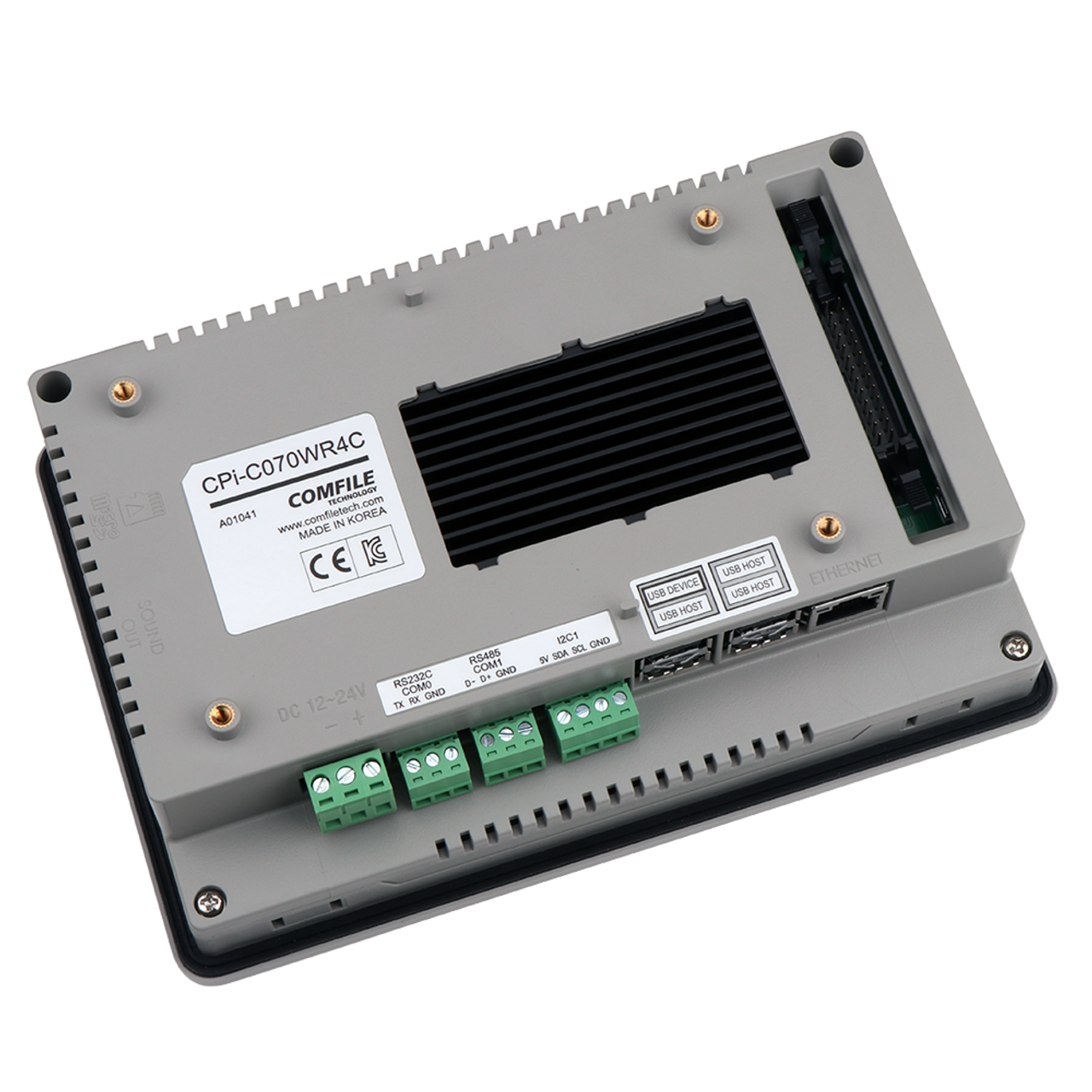
| Heatsink | Larger externally exposed heatsink | |
| Display | ||
| LCD | 7" LCD (800 × 480, 550 cd/m²) | |
| Touch Screen | ||
| Touch Type | Pressure-sensitive Touch Screen (Resistive Film Type) | |
| Memory | ||
| RAM | 2GB | 1GB / 2GB / 4GB / 8GB (Optional) |
| I/O Interface | ||
| GPIO | GPIO × 20 via 26-pin header | GPIO × 22 (includes ESD protection circuit), 40-pin header |
| USB | USB × 3 (USB 2.0) + 1 eMMC programming port | |
| USB Boot | Supports booting from USB out of the box | |
| Ethernet | 10 / 100 Mbps | |
| RS-232C | 1 | |
| RS-485 | 1 | |
| I2C | 1 | |
| Buzzer | Electro-magnetic buzzer | |
| Audio Output | Stereo audio output | |
| WiFi | USB dongle required | |
| Power | ||
| Power Input | DC 12 ~ 24V | |
| Protection | ||
| Front Panel | Water-resistant front panel (IP65) | |
| Environment | ||
| Operating Temperature | 0°C ~ 60°C | |
| Storage Temperature | -30°C ~ 80°C | |
| Certification | ||
| Certification | CE, KCC | CD, KCC, UL |
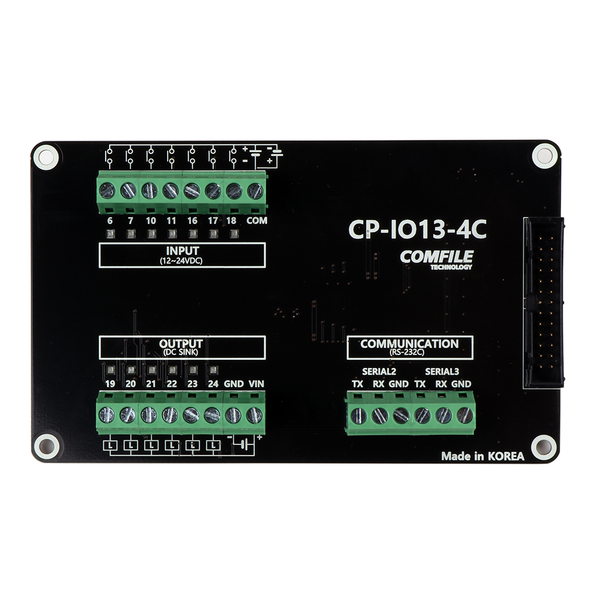
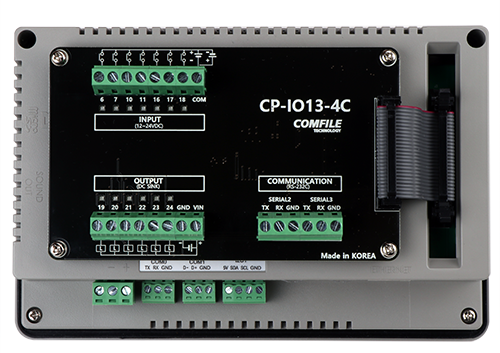
CPi-C070WR4C can utilize the CP-IO13-4C I/O board, which provides 7 DC inputs, 6 NPN transistor outputs, and 2 additional RS-232C ports.
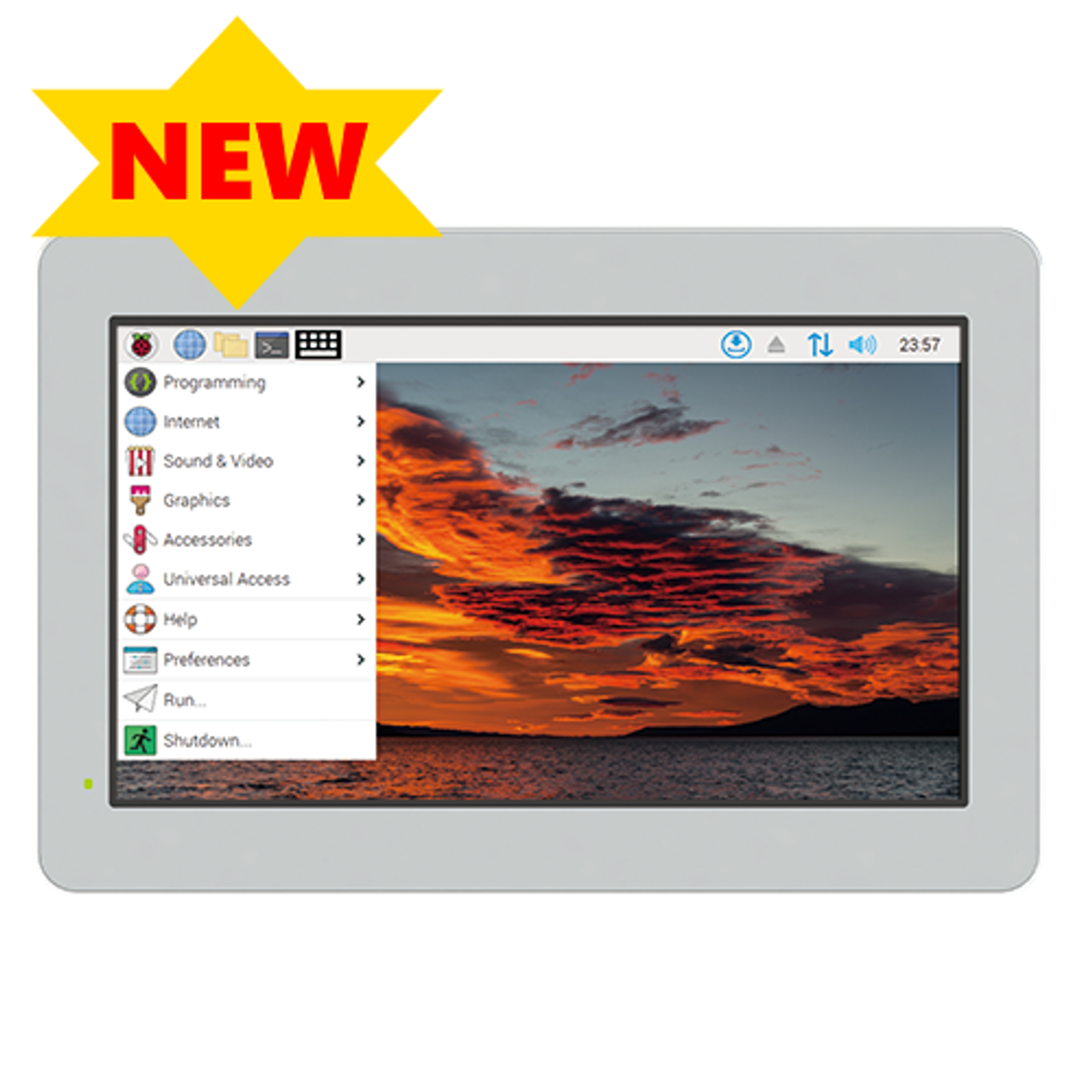
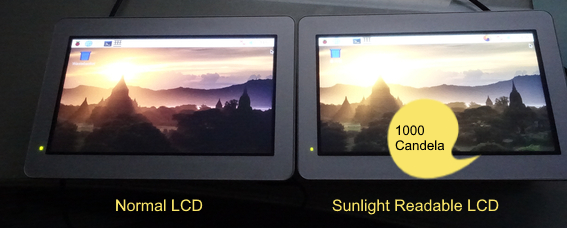
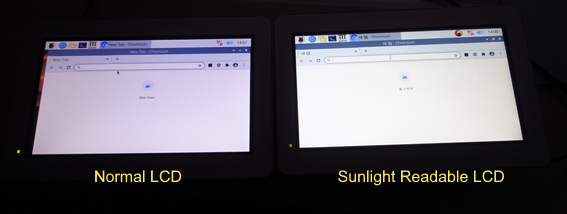
The sunlight-readable LCD supports 7 inches and 1000 candelas and is available as a special order option.
FAQ
Q: It looks similar to the CPi-S series. What’s the difference?
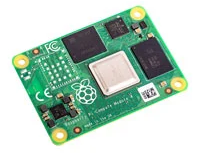
A: Both are based on the Raspberry Pi 4 platform, but they differ in the Compute Module used. The S series uses the CM4S, which has the same pin map as the earlier CM3. In contrast, the C series uses the standard CM4 board-type module.
Q: Why did you create such a complex product classification?
A: This was because the new CM4 did not maintain pin compatibility with the previous CM3.
As a result, products adopting the CM4 required a completely new board design, which caused difficulties for existing users who were using CM3-based systems due to compatibility issues.
To address this, the CM4S was later introduced, restoring pin compatibility. The S series was therefore designed to use this CM4S module.
Q: So which one should I choose?
A: The answer is simple. For new projects, choose the C series, which is based on the CM4. If you already have a product in mass production based on CM3, choose the S series for compatibility.
| Item | CPi-S Series (CM4S) | CPi-C070WR-4C (CM4) |
|---|---|---|
| Compute Module | 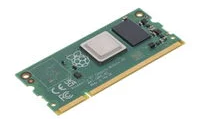 |
 |
| RAM | 1GB, 2GB, 4GB, or 8GB | 2GB |
| I/O Expansion Board | CP-IO22, CP-IO19R, CP-IO22-A4-2 | CP-IO13-4C |
| Screen size type | 7", 10.2", 10.4", or 15" | 7" |
| Certification | CE, KCC, UL | CE, KCC |
Q: A friend of mine is using a regular Raspberry Pi with an LCD kit. What’s the difference?
A: We’re very familiar with that setup. On a desk or in a lab environment, it usually works just fine. The question is whether it can reliably operate in an industrial environment. Industrial sites are harsh. There’s dust, electrical noise, unstable power, and constant vibration. On top of that, you often have large motors running nearby, generating significant interference.
ComfilePi is not a hobby platform—it’s a purpose-built industrial product designed specifically to operate under these conditions. It uses industrial-grade components and comes with the necessary certifications required for real-world industrial deployment.
That’s the real difference: a general-purpose Raspberry Pi solution that works well in controlled environments versus an industrial platform engineered for long-term, reliable operation on the factory floor.
Q: Do you have any real-world examples?
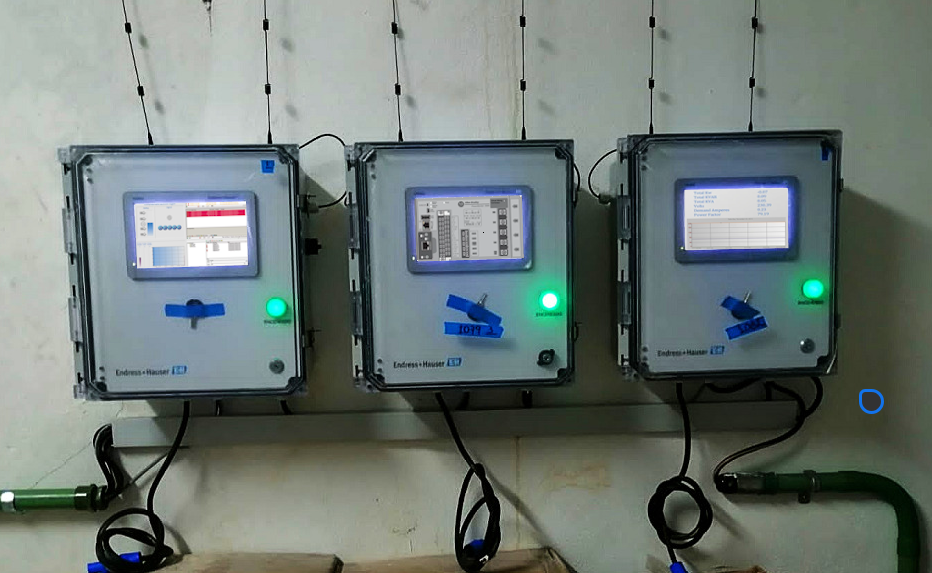
A: Yes—there are many, and they are already in active use. For example, a public water authority in Mexico has deployed hundreds of ComfilePi units across field installations as part of their operational systems.
In another case, a supplier working with Tesla has already completed the delivery of hundreds of ComfilePi units for automation equipment, and those systems are currently running reliably in production environments.
These are not isolated cases. Similar deployments exist in many places, and new installations are still ongoing today.
Videos
View AllClose
Related Products
Related Products